Breathwork, Men's Work & Building Lighthouses with Josh De Jong
Oct 05, 2026
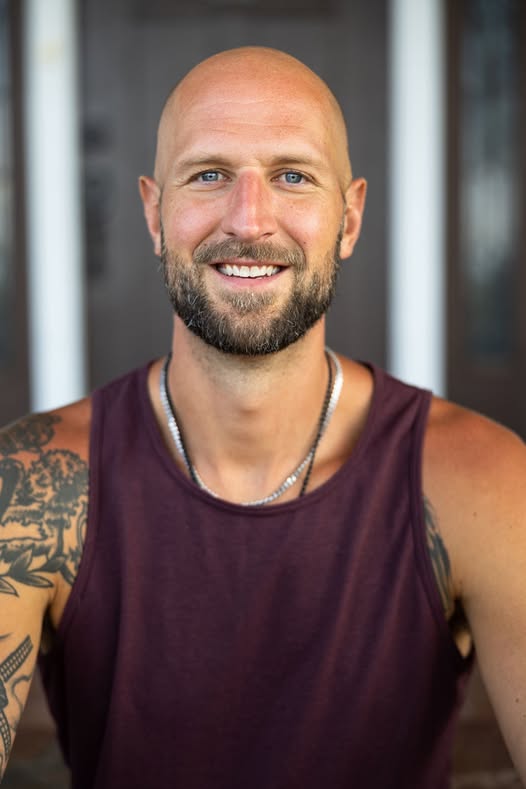
Josh De Jong is the newest coach on the Do Hard Things team. He's a breathwork certified coach, life coach, and mentor. He's a retired triathlete and a USAT certified triathlon coach. He's also a sales professional. He's joining the team to lead breathwork, coach men, host fire circles, and help with our retreats. He helped us with the Base Camp retreat.
Josh and I met at a men's retreat about eighteen months ago. My brother from another mother, Brian, and I didn't know anyone there. Josh arrived late. The whole crew was in a dynamic breathwork session. He walked in, the facilitator pointed to the ground, and Josh got down and started breathing with us.
When we stood up, we locked eyes right away. In Josh's words: "That's him. I gotta go talk to that guy." Ever since then, we've been rowing in the same direction. Coaching, breathwork facilitation, and now hosting retreats together. I consider him a brother.
On the Do Hard Things Podcast, we talked about men's work, breathwork, his journey through triathlon, and the mission of building lighthouses.
Feeling Alone Is Number One
I asked Josh what the biggest challenge is for men in our society. He didn't hesitate.
"Feeling alone is number one."
When a new brother comes into the circle, a lot of times he cries. He hears the other guys' stories, and they're going through very similar situations. As Josh put it, he realizes, "I'm not alone."
I never thought I'd go to a men's retreat. I didn't have a father growing up, and I used to shy away from men. Most guys in our society don't know how to have a deep conversation. It's about football, or jokes. Being around men with no ego, where you can put your armor down and be vulnerable, was transformative in my own journey. I was numb for about ten years. I couldn't break open and cry. Now when it comes, I let it come. It is strength to feel emotion and not hide it.
Why So Many Men Hit Their Forties Alone
Josh says a big piece of it is the programming. "Boys don't cry. Men don't cry. Deal with it. Handle it. Pull your bootstraps up." Every man he's worked with heard that at a young age.
So what do you do with your emotions? Josh's answer: you drown them out with alcohol. It's a false sense of processing. The emotions are still there, and they come back out eventually. Pushed down long enough, they harden and come out as anger and frustration.
What It Costs
I asked Josh what it costs a man to carry everything alone.
"Man, it can get as costly as their life."
Suicide rates among men are very high. Short of that, it costs them their family. Divorce, kids taken away, more depression, more anxiety, lost jobs, lost savings, lost friends. It can cost everything.
What Men Need From Other Men
Josh's answer: support from other men who know what they're going through. A great leader has been through what he's leading people through. Sometimes that support is action. A lot of times it's a listening ear.
Josh put it this way. If you want to be a better salesperson, you go to a sales conference. If you want to be better at soccer, you go to a soccer camp. If you want to be a better man, you've got to get around men.
Your First Steps This Week
If you're feeling alone and don't have many close friends, here's where Josh says to start:
- Ask your friends harder questions. "How's your heart? What are you working on this week emotionally? When's the last time you cried?" If they answer "good, how's yours?", go back in. "No, man. How's your heart? Is it heavy right now?"
- Search for a men's circle in your area. The groups can be intimidating, but a true men's circle has no judgment.
- If there isn't one, start one. "Six PM on Sunday, just come sit in my backyard with me. You don't need an agenda."
Some friends won't understand the question. Some will roast you to deflect. Some will open up. That's how you find out who has capacity.
What Happens at a Fire Circle
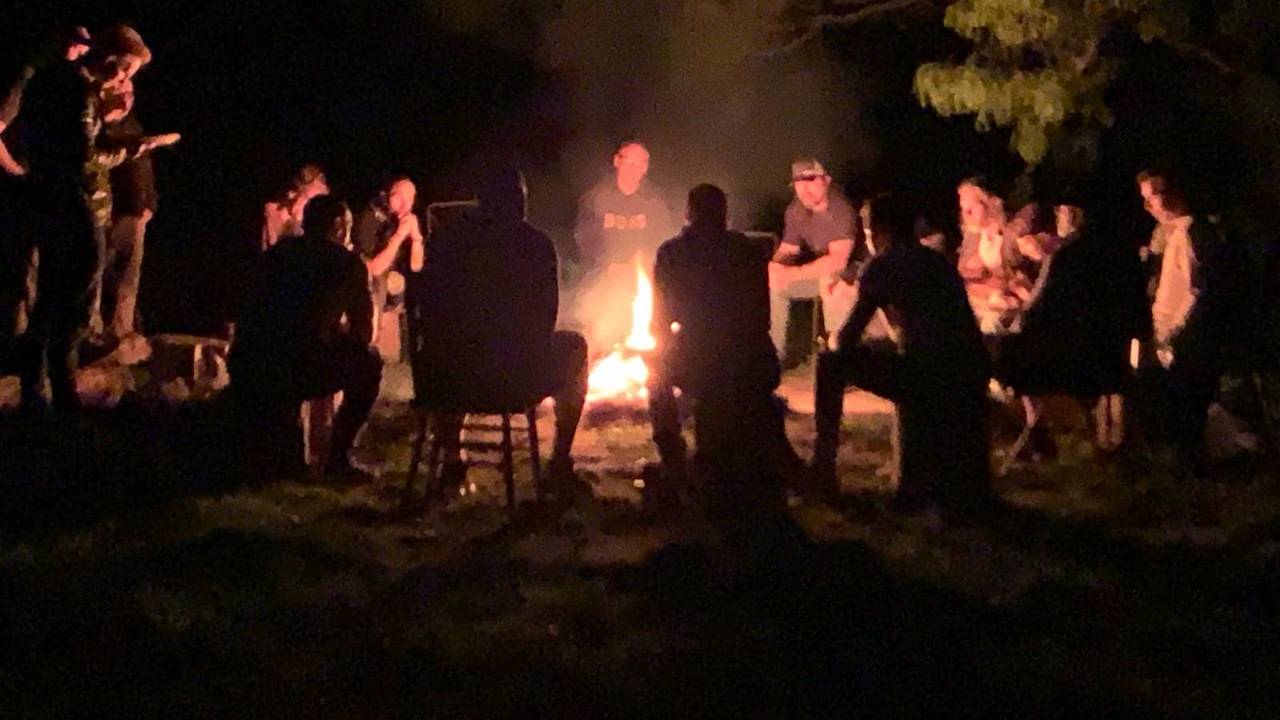
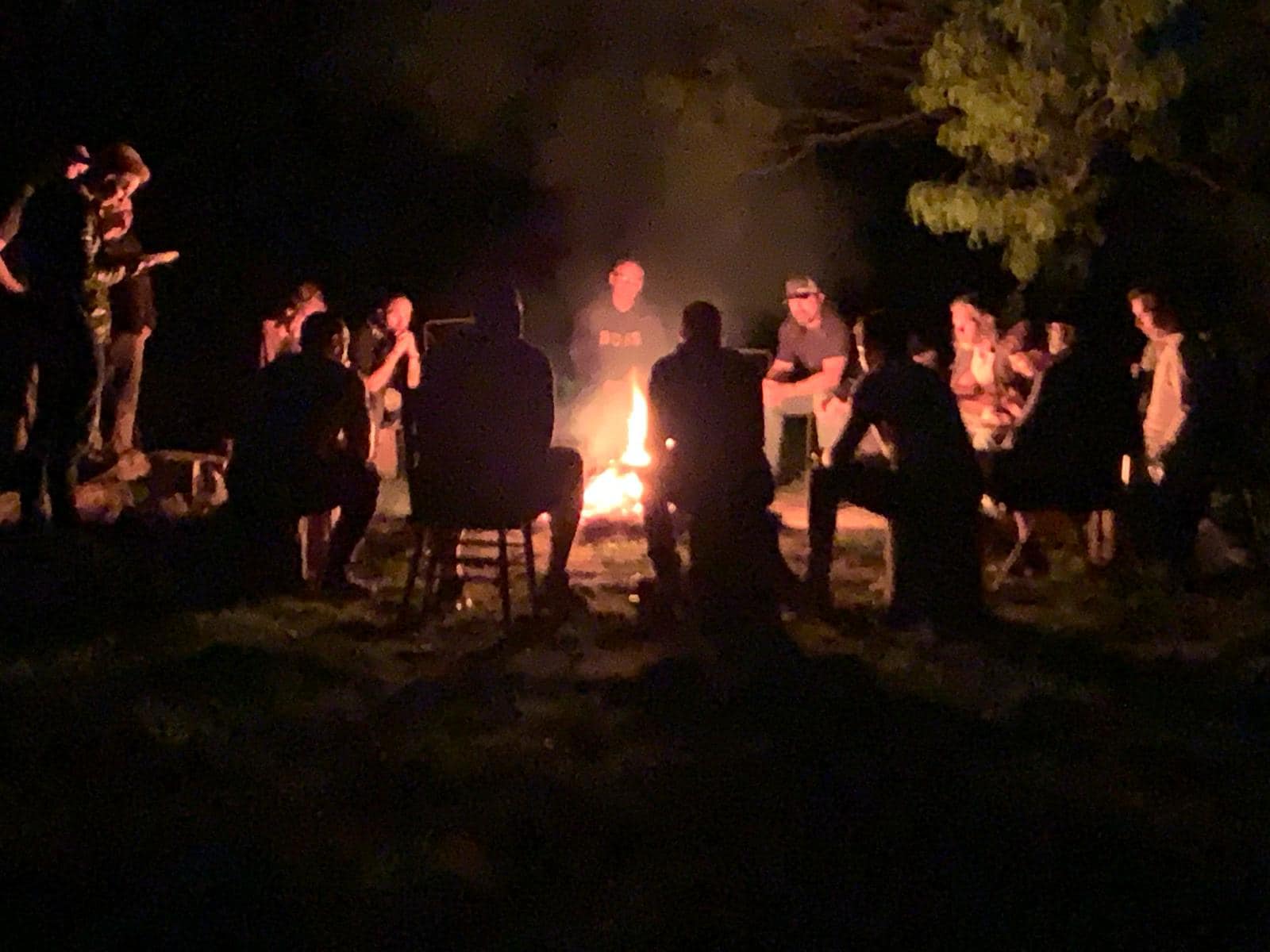
We gather around a fire. Every man checks in on how he's feeling physically, emotionally, and spiritually, and speaks without interruption. Then we ask: What are your wins? Your losses? What are you struggling with? Where can we support you? We add movement, breathwork, or a cold plunge.
The rules:
- No judgment
- No ego
- What happens around the circle stays around the circle
- No unsolicited advice. Ask permission first.
- Use "I" statements and speak from experience
Breathwork: Respond Instead of React
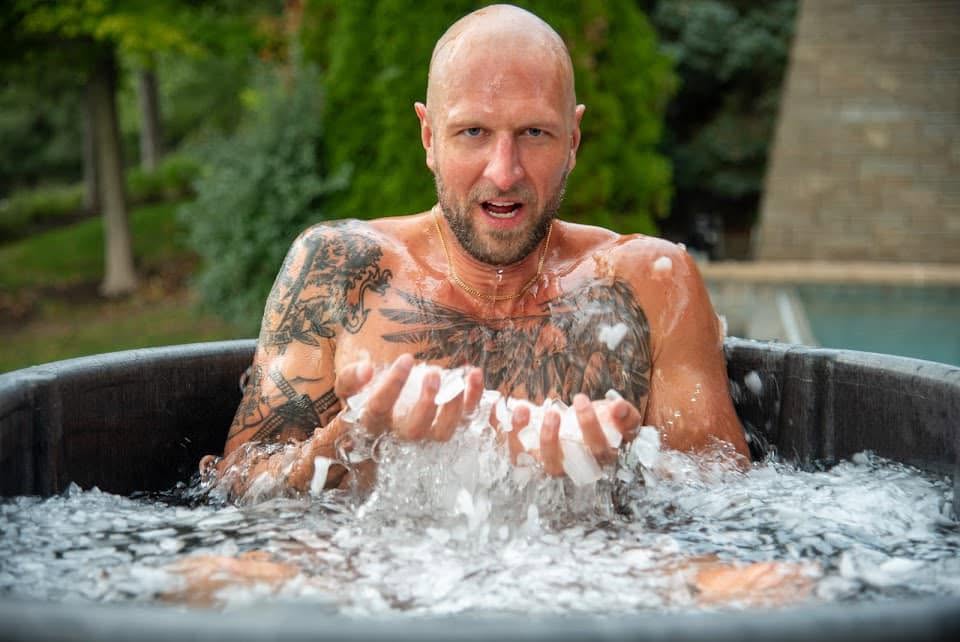
Josh describes breathwork in two words: intentional breathing. You breathe thousands of times a day without thinking about it. Breathwork brings your attention to it. It's a form of meditation, and it's a strong tool for regulating your nervous system.
Most of us live in the sympathetic nervous system. That's fight or flight. Stressed out, high cortisol. Breathing can move you into the parasympathetic nervous system. That's rest and digest.
If your nervous system is heightened all the time, you're going to react. Someone cuts you off in traffic and you're screaming at your steering wheel. With a regulated nervous system, you get distance between the stimulus and your response.
Josh saw it happen. Somebody cut him off on the interstate, and he thought, "Yeah, it's okay." Then: "Wait a second, that's not me."
What It Did for Me
In my performance coaching training, I was told to get my clients to meditate. I'd close my eyes and couldn't stop the squirrel running the hamster wheel in my brain. I was in chronic fight or flight from my years in the military. That had become my operating system.
Breathwork is what let me take control of my nervous system. Now I can get into meditation, and I sleep better. I haven't been sick in eighteen months since starting regular breathwork.
When I first started Wim Hof style breathing, I didn't like it. My mouth was dry. I felt lightheaded. It's a disciplined practice. It's free, and it's right there. I think God has given us tools to heal ourselves, and the breath is one of them.
Healing and Performance
Josh says they're very similar. To heal, you need to feel safe. Regulating your nervous system lets you feel safe in your own body. In rest and digest, your body absorbs the nutrients from your food. Breathwork also builds lung capacity and VO2 max, one of the big indicators of longevity.
For performance, it's the same thing. If an email hits your desk and handling it costs you half your energy tank, you're depleted for the rest of the day. If you can manage your response to that stress, you can handle more.
Josh found breathwork around COVID, through James Nestor's book Breath and then Wim Hof. His favorite technique today: Wim Hof style rapid breathing, a deep inhale and hold, then a hard exhale through pursed lips. He times his breathing and holds to dubstep drops.
From Triathlete to Breathwork Facilitator
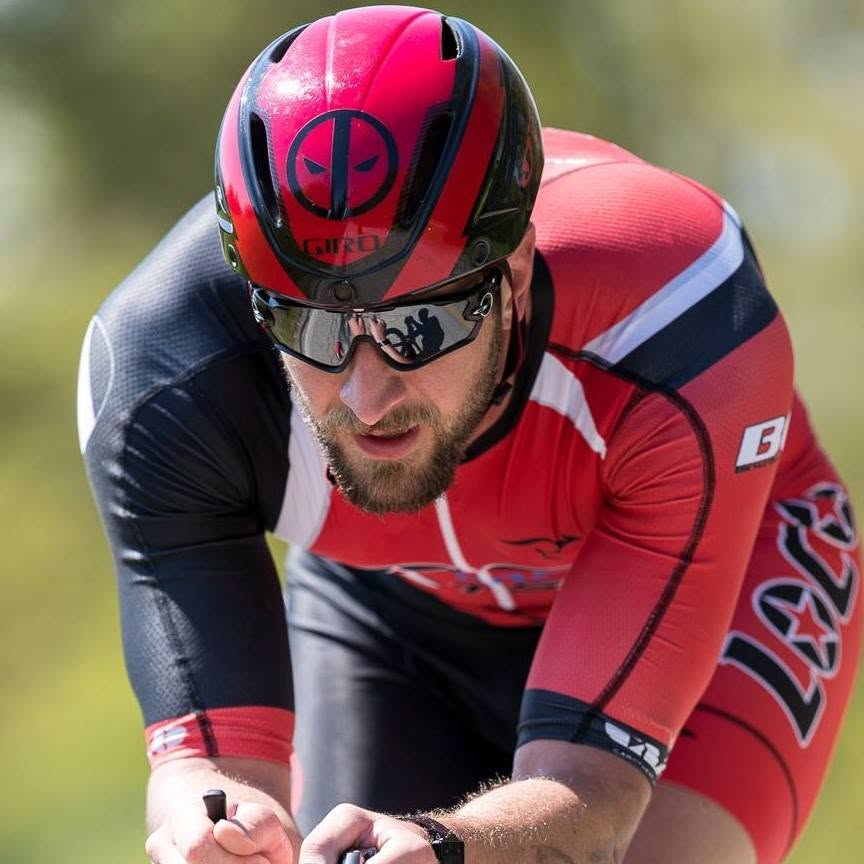
Josh grew up getting up at 5:30 on weekends to watch his dad race triathlons. After college, his dad handed him a bike and a helmet and said, "Let's go racing. Get your shit together."
He was good at it early. After races, the same group would gather over a beer waiting for awards, and one of them started a team called Tri Loco. Josh took it over and led it for thirteen or fourteen years. They raced hard and got podiums, but the team was built around community. Showing up, cheering for each other, hanging out outside of training.
In 2021, the pain in his back and legs got so bad he had to get off his bike mid-ride. One of his vertebrae was broken and had degenerated the disc beneath it. He had a spinal fusion in November 2023. Then he found out he needed surgery on both hips for femoral impingement and torn labrums. That made three surgeries in one year. He's now facing another surgery for a new crack in a vertebra.
Being at races without racing got emotionally hard. Triathlon was daily training, weekend races, coaching athletes, his closest friends. He needed somewhere to put the energy he'd put into building community. That became the men's circle in his town, retreats, and breathwork events.
"If I didn't have that, I'd feel alone."
What Ironman Taught Him
Josh signed up for his first full Ironman while working a job he didn't like, with every excuse not to do it. He scraped the money together, trained, and finished. He did four more after that.
What did it teach him? "That I could do anything." Once you hit that finish line, you feel invincible. Then you start acting like you can do anything. Then you start doing anything.
At Panama City 70.3, he bonked in the heat. He walked most of the run. Everything in his mind said stop, the hotel's right there, no one cares. He finished what he started, and it was still one of his fastest 70.3 times.
Building Lighthouses
I learned the parable of the lighthouse and the tugboat from one of my coaches and mentors, Jesse Elder. Around here, we joke that we're in the lighthouse construction business.
I asked Josh what makes a person a lighthouse.
"Someone who leads by example, who lives the life, and helps guide other people towards that life without spending all their energy doing it."
The tugboat goes into the water and pulls boats to safety one at a time. If the boat it's pulling sinks, the tugboat goes down with it. The lighthouse stands tall, stands bright, and shows the way.
How do breathwork, men's work, and fire connect to that? Josh calls it the path. Breathwork helps you respond instead of react. The men's circle lets you lead and be led.
If we build a thousand lighthouses, what changes? "Less need for tugboats." The community around a lighthouse becomes a lighthouse.
There's a leadership void in our society. We need more people stepping up and leading by example. That's what we're here to do.
I asked Josh why he joined the Do Hard Things Nation. "Alignment." Then he closed with this: "If you want to go fast, go alone. If you want to go far, go with friends."
Find Your People
If you're drifting, Josh's advice is simple. Get around community. Find your tribe. Find your people, find any people, just get around other people.
Listen to the full episode on the Do Hard Things Podcast.
Connect with Josh De Jong
- Website: eldrandair.com
- Coach with Josh: dohardthingscoaching.com
Join the Do Hard Things Nation
- Free community: Do Hard Things Nation Facebook group
- Coaching, retreats, and the Base Camp community: dohardthingscoaching.com
- Merch and community: dohardthingsnation.com
If you or someone you know is struggling, call or text 988 (Suicide & Crisis Lifeline, US).
Siegfried "Sig" Tiegs is a keynote speaker, high-performance coach, and co-author of the Amazon best seller Life on Offense: A Tactical Guide to Dominate Life and End Mediocrity. A retired Army Major with 27 years of service, he hosts the Do Hard Things™ podcast and coaches high performers at dohardthingscoaching.com.
Don't miss a beat!
New moves, motivation, and classes delivered to your inbox.
We hate SPAM. We will never sell your information, for any reason.